
Tips for Creating a Relaxing Home Workspace to Boost Productivity
Creating a relaxing home workspace is essential for anyone looking to stay productive while working remotely. A space that feels calm and inviting can reduce stress, improve focus, and make it easier to get work done efficiently. Whether you are setting up a dedicated office room or carving out a small corner in your home, thoughtful design choices can transform your workspace into a productivity haven.
Why a Relaxing Workspace Matters
When your work area is cluttered, noisy, or uncomfortable, it can be challenging to concentrate. On the other hand, a space that promotes relaxation encourages a clear mind. This balance between calm and focus is key to maintaining motivation and creativity throughout the day.
Choosing the Right Location
Find a Quiet Spot
Look for a part of your home that is naturally quiet and away from daily distractions like the kitchen or TV area. If possible, choose a room with a door for privacy.
Consider Lighting
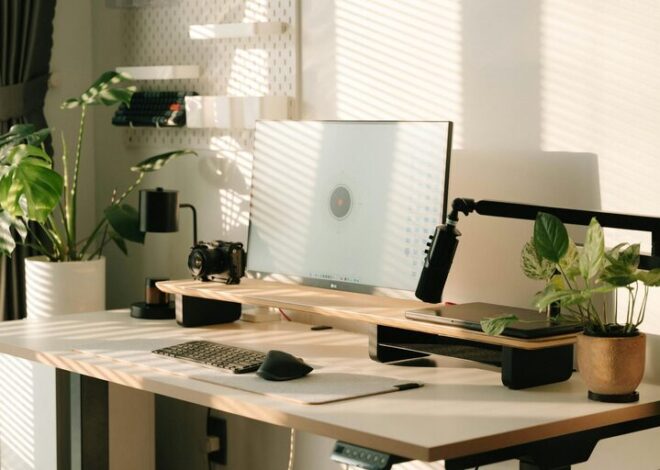
Natural light helps reduce eye strain and boosts mood. Try to position your desk near a window to take advantage of daylight. If natural light isn’t sufficient, use soft, adjustable lighting to create a warm, inviting atmosphere.
Organizing Your Workspace
Declutter Regularly
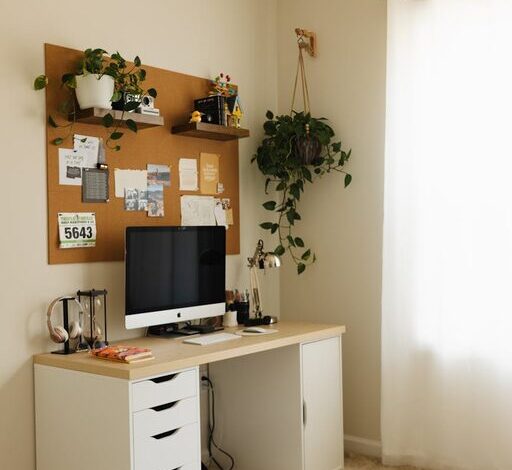
A neat space makes it easier to concentrate. Keep only essential items on your desk and store the rest neatly. Use drawers, shelves, or organizers to keep paperwork and supplies out of sight.
Use Functional Storage
Invest in storage solutions that suit your needs, such as filing cabinets, pegboards, or baskets. Labeling storage containers can also help you find things quickly without creating a mess.
Comfort Is Key
Choose an Ergonomic Chair
Comfortable seating supports good posture and prevents fatigue. Look for a chair that provides lumbar support and adjustability to fit your body.
Position Your Desk Properly
Your desk height should allow your elbows to be at a 90-degree angle when typing. Position your monitor at eye level to avoid neck strain.
Add Personal Touches
Bring Nature Indoors
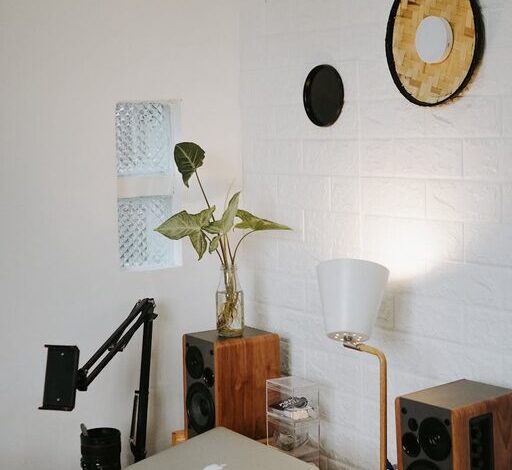
Plants can improve air quality and introduce a calming natural element to your workspace. Choose easy-to-care-for plants like succulents or pothos.
Display Inspiring Items
Add a few personal items like photos, artwork, or motivational quotes. Just be sure to keep these minimal to avoid clutter.
Manage Noise and Distractions
Use Noise-Canceling Tools
If background noise is an issue, consider noise-canceling headphones or a white noise machine to help maintain focus.
Set Boundaries
Communicate your work hours to family members or roommates to minimize interruptions. Use a “do not disturb” sign if needed.
Incorporate Relaxation Techniques
Take Regular Breaks
Stepping away from your desk periodically can refresh your mind. Try techniques such as the Pomodoro method to balance work and breaks.
Practice Mindfulness
Consider adding a small meditation corner or keeping items like stress balls or essential oils nearby to help relax during busy days.
Keep Technology in Check
Organize Cords
Tangled cables can add to visual clutter. Use cable organizers or clips to keep cords tidy and out of the way.
Limit Digital Distractions
Turn off non-essential notifications during work hours and use apps that encourage focus to help manage screen time.
Maintain a Routine
A consistent schedule helps your brain associate your workspace with productivity. Try to start and end your workday at similar times, and include rituals like making a cup of tea before beginning work.
Conclusion
By carefully designing a workspace that is both relaxing and functional, you can create an environment that supports your best work. Simple changes like optimizing lighting, decluttering, and adding personal touches can make a significant difference in your daily productivity and overall wellbeing. Whether you work full-time from home or just need a designated spot for occasional tasks, these tips can help you build a workspace that feels like your own productivity sanctuary.